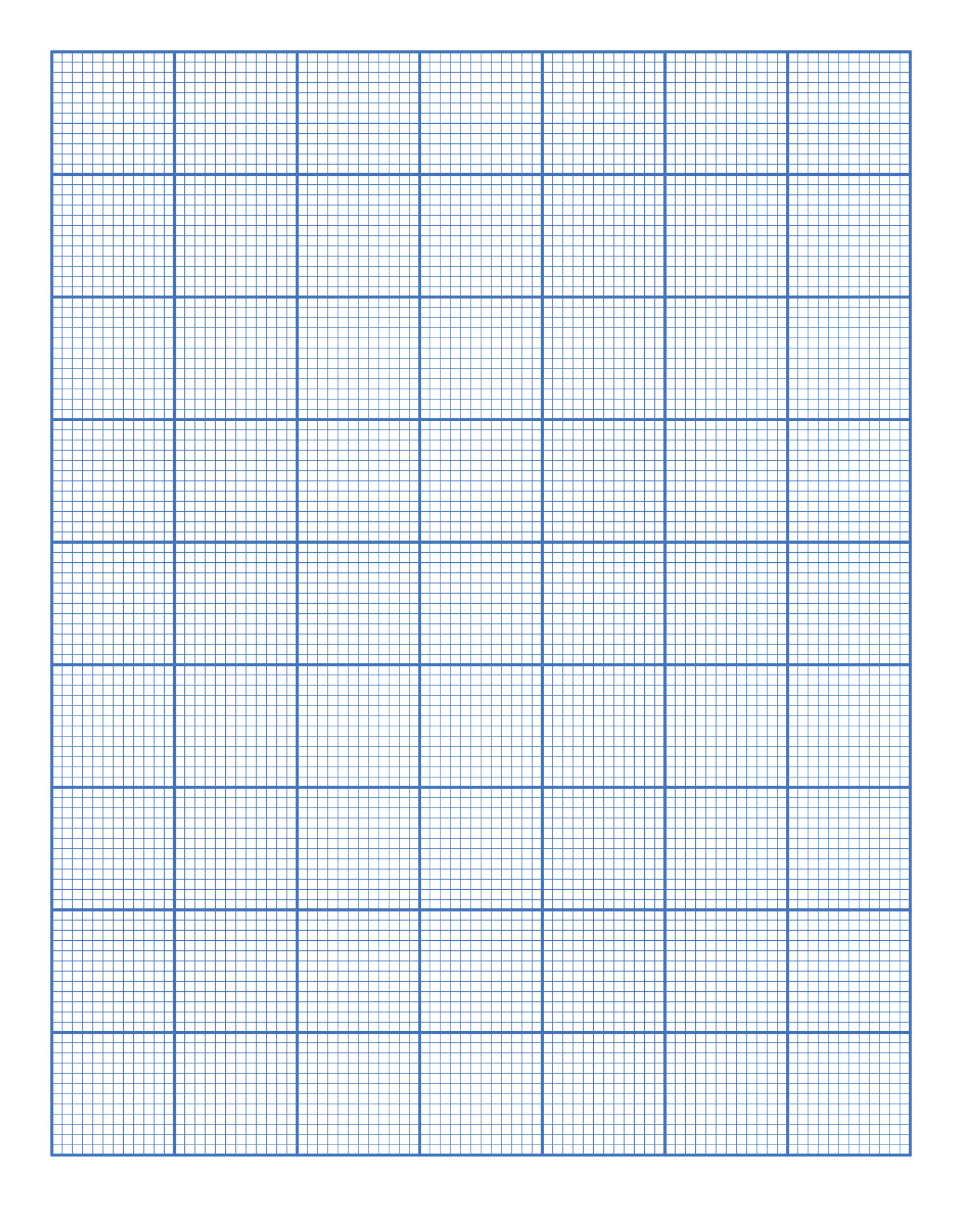
Inch printable gridgraph paper is an invaluable tool for a variety of projects, including drawing, engineering, and crafting. Its structured grid layout enhances precision and fosters creativity, making it ideal for both professional and educational settings.
Understanding Inch Printable Gridgraph Paper
Inch printable gridgraph paper features a grid layout measured in inches, allowing users to create accurate drawings and designs. Key features include:
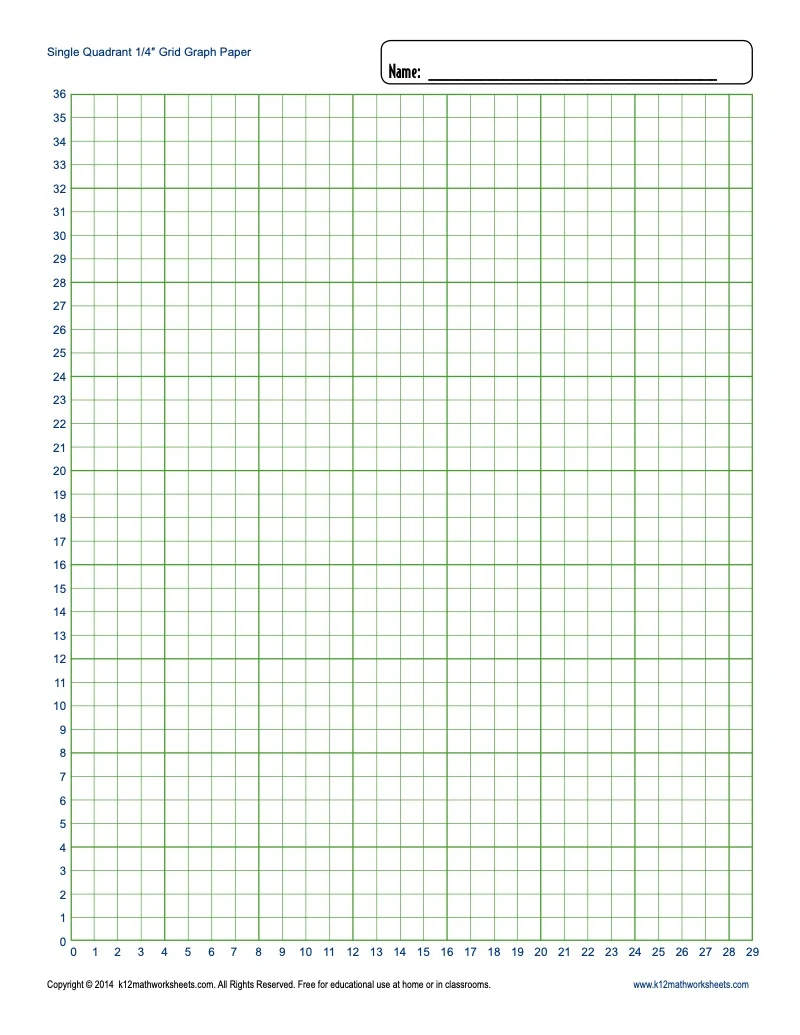
- Grid Size: Typically available in various sizes, such as 1/4 inch or 1/8 inch grids.
- Paper Quality: Usually made from durable materials suitable for ink or pencil.
- Common Uses: Ideal for floor plans, engineering designs, and educational purposes.
This type of paper differs from standard graph paper by offering a more versatile scale and format, making it preferable for detailed work. Terms like “grid spacing” refer to the distance between lines, while “scale” indicates the ratio of the drawing to the actual size.
How to Use Inch Printable Gridgraph Paper Effectively
To maximize the benefits of inch printable gridgraph paper, consider the following tips:
- Create Floor Plans: Use the grid to accurately represent room dimensions.
- Design Crafts: Plan out intricate designs or patterns before execution.
- Plot Mathematical Functions: Graph equations with precision using the grid layout.
Techniques such as color coding different sections or varying line thickness can enhance clarity and organization in your designs.
Where to Find and Print Inch Printable Gridgraph Paper
High-quality inch printable gridgraph paper can be found online through various resources:
- Free Resources: Websites offering downloadable templates at no cost.
- Paid Options: Premium sites providing customizable sheets tailored to specific needs.
When printing at home, ensure clarity by selecting appropriate paper sizes (such as letter or A4) and adjusting printer settings for optimal results. This will help maintain the integrity of the grid layout.
The versatility of inch printable gridgraph paper spans multiple fields, including education, architecture, and art. By exploring its potential in your projects, you can unlock new levels of creativity and precision.