Printable graph paper serves as an essential tool for enhancing mathematical understanding and visualization. It benefits students, educators, and parents by providing a structured format that aids in learning across various environments. Whether used for homework, classroom activities, or self-study, graph paper helps clarify complex concepts and fosters a deeper comprehension of mathematical principles.
Benefits of Using Printable Graph Paper
Printable graph paper math aids offer numerous advantages:
- Improved Spatial Reasoning: Helps students visualize mathematical concepts.
- Better Organization of Data: Facilitates clear representation of information.
- Enhanced Problem-Solving Skills: Encourages systematic approaches to solving equations.
For example, in geometry, graph paper assists in plotting shapes accurately. In algebra, it can be used to graph functions, while in statistics, it helps in organizing data visually.
Types of Printable Graph Paper Available
There are various types of printable graph paper, each serving unique purposes:
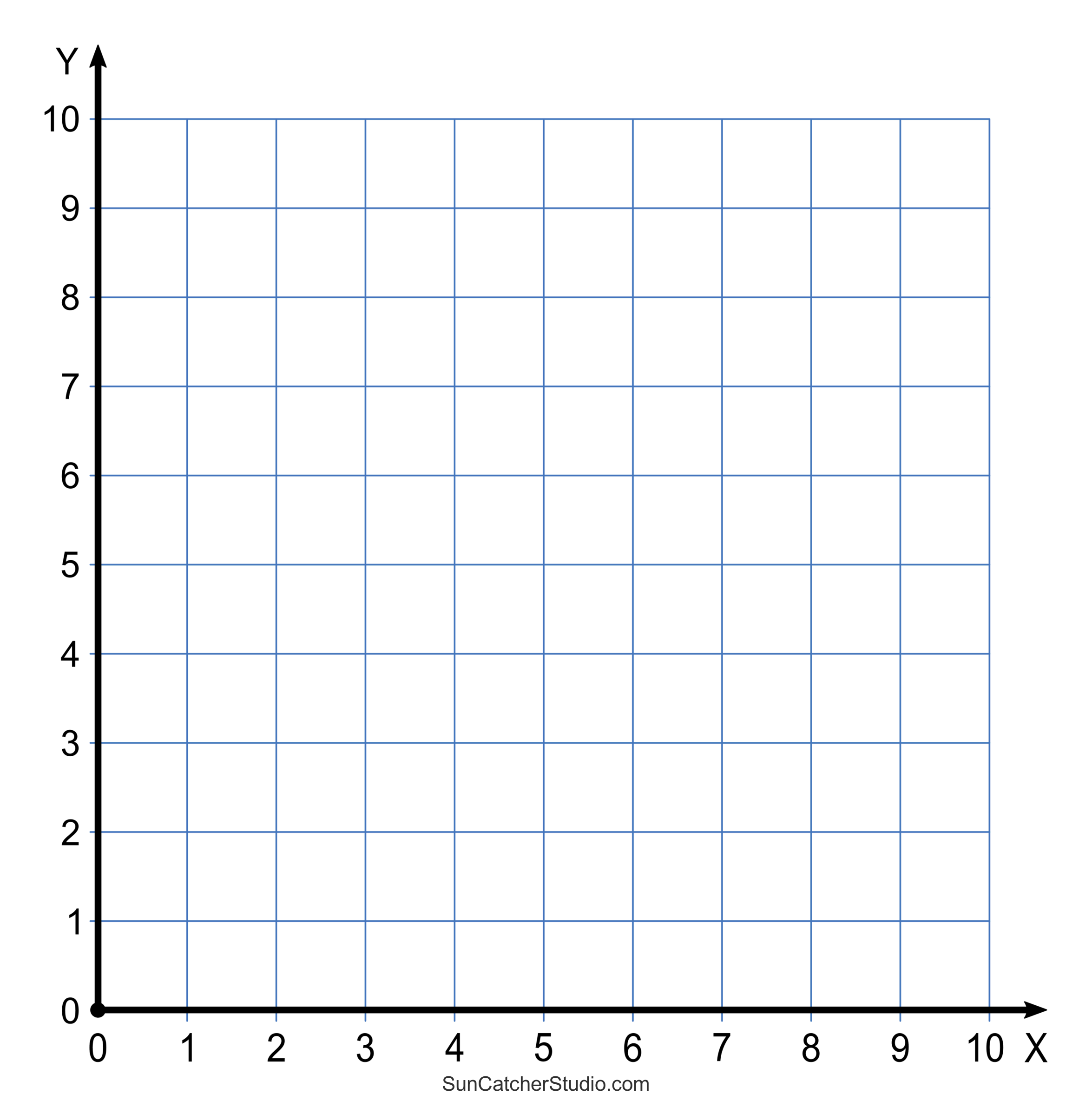
- Standard Grid Paper: Ideal for general plotting and drawing.
- Isometric Paper: Useful for creating 3D representations.
- Polar Coordinate Paper: Perfect for plotting polar equations.
- Logarithmic Graph Paper: Beneficial for exponential functions and data analysis.
Users can find these templates on reputable websites such as:
How to Use Printable Graph Paper Effectively
To maximize the benefits of printable graph paper, consider the following tips:
- Organize Information: Use sections to categorize different problems.
- Visualize Equations: Draw graphs to understand relationships between variables.
- Tackle Complex Problems Step-by-Step: Break down equations into manageable parts.
Incorporating graph paper into lesson plans or homework assignments promotes active learning and reinforces mathematical concepts through practice.
Explore and print your own graph paper templates today to enhance your math learning experience. Its accessibility makes it a valuable resource for all learners.