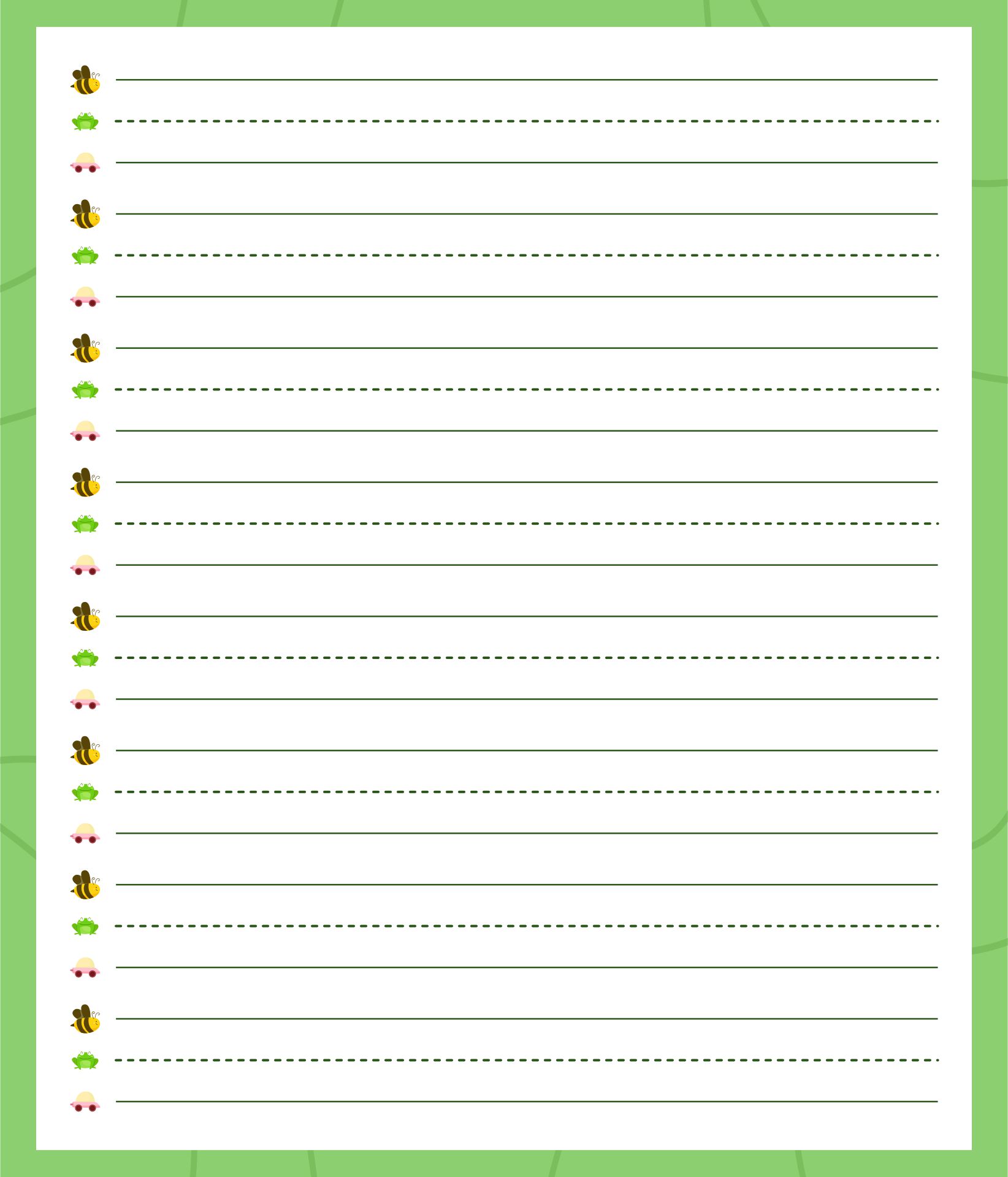
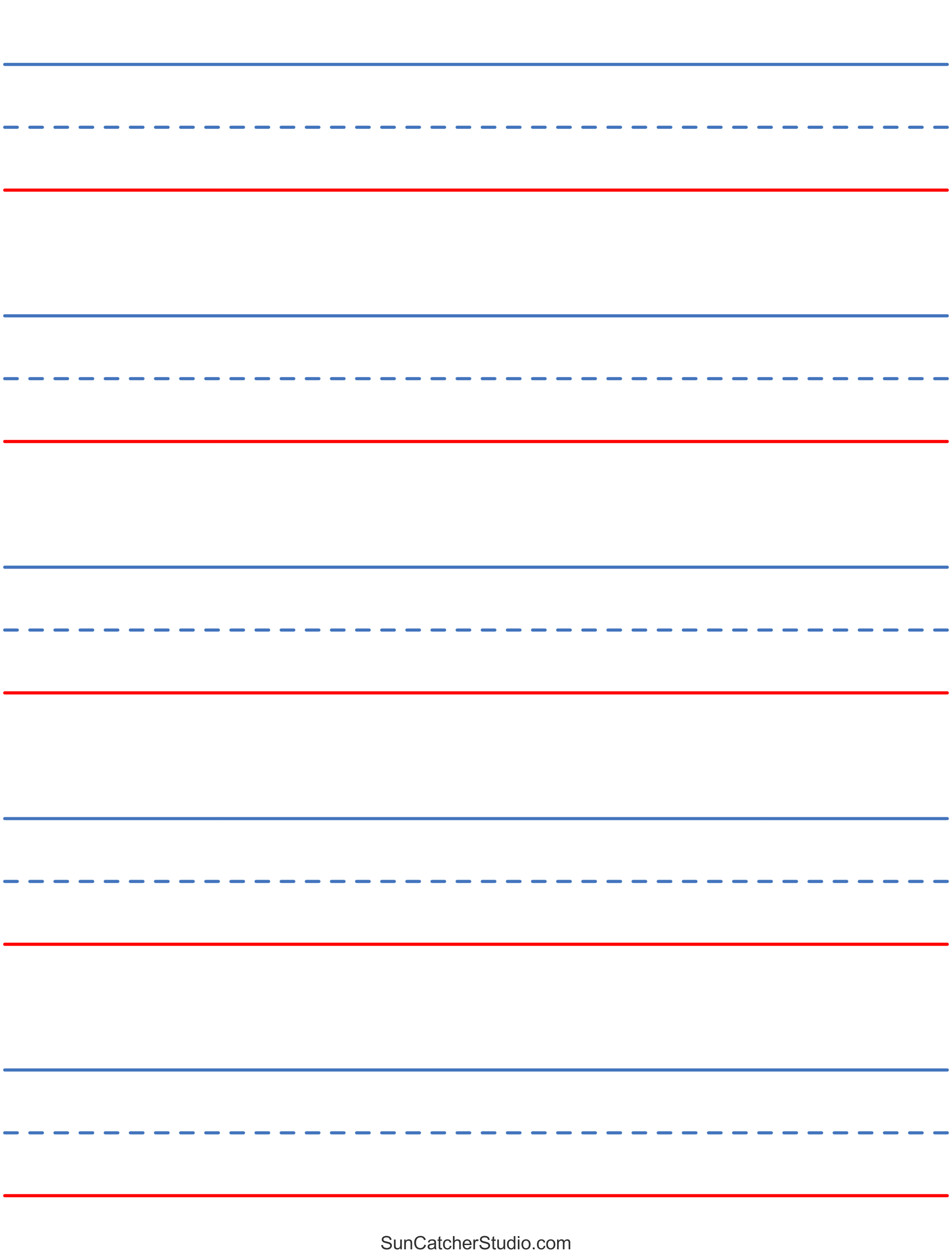
Lined paper is a vital resource for first graders, aiding in the development of handwriting and organizational skills. Printable resources empower parents and teachers to provide children with essential tools for effective writing practice, fostering a love for learning and creativity.
Benefits of Using Lined Paper for First Graders
Lined paper offers numerous benefits to young learners:
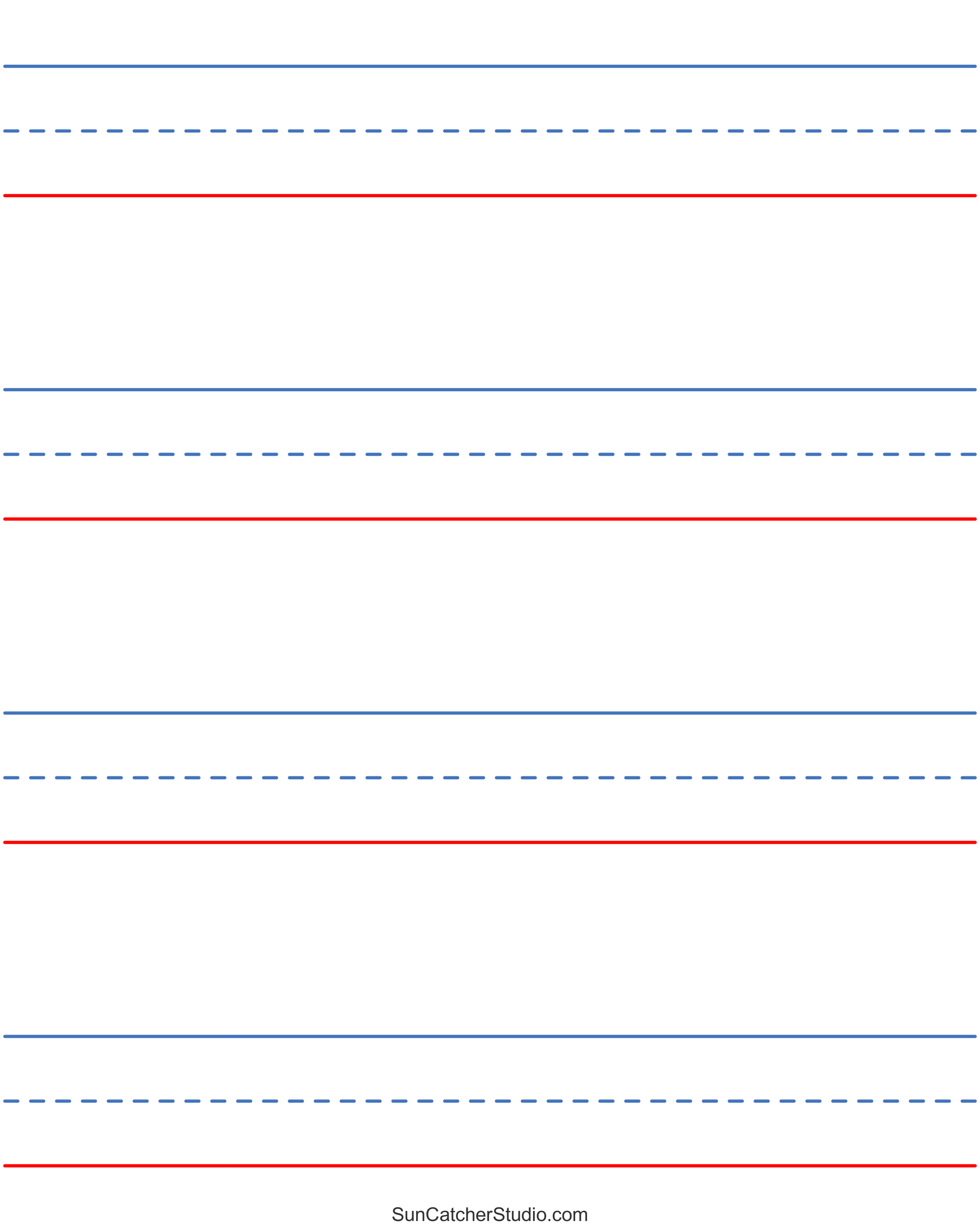
- Improved Handwriting: Regular use helps children develop better control over their writing instruments.
- Letter Size Consistency: Lined paper encourages uniformity in letter size, aiding readability.
- Better Text Alignment: Lines guide children in maintaining straight and organized text.
Using lined paper can significantly boost confidence in writing abilities. Different types of lined paper, such as primary lines with wider spacing and dotted midlines, cater to various skill levels, helping children understand letter formation better.
How to Access Free Printable First Grade Lined Paper
Parents and educators can find free printable lined paper online through various resources. Recommended websites include:
- Education.com: Offers customizable lined paper options.
- Teachers Pay Teachers: A marketplace with free and paid resources.
- PrintablePaper.net: Provides a variety of lined paper templates.
For optimal results, consider the following printing tips:
- Select the appropriate paper size (e.g., letter or A4).
- Use high-quality printer settings for clear lines.
Creative Ways to Use Lined Paper in Learning Activities
Lined paper can be utilized in various creative activities beyond traditional writing tasks:
- Journaling Prompts: Encourage children to write about their day or express their thoughts.
- Storytelling Exercises: Have them create stories using guided prompts.
- Letter Writing: Teach children to write letters to family or friends.
Establishing a routine around using lined paper in daily activities reinforces learning and fosters a love for writing in first graders.
The value of free printable first grade lined paper cannot be overstated. It serves as an essential resource for supporting early writing development, inspiring parents and teachers to utilize these tools effectively in nurturing young writers.