Having a reliable graph paper template is essential for anyone looking to create accurate floor plans, whether you’re a DIY enthusiast or a professional designer. Graph paper provides a structured way to visualize space, allowing for precise scaling and easy adjustments. This makes it an invaluable tool for drafting layouts that are both functional and aesthetically pleasing.
Graph Paper For Floor Plans Printable
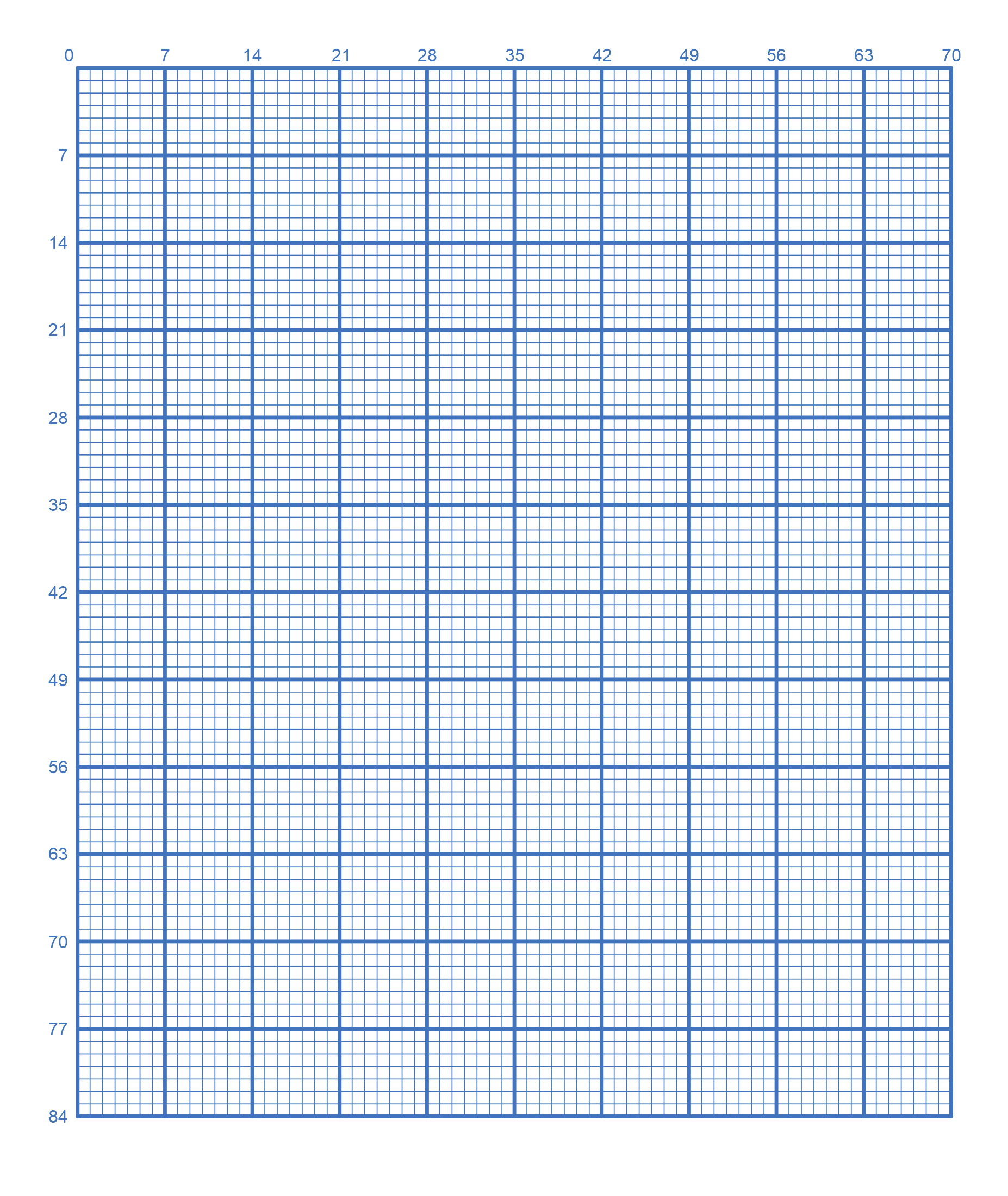
Printable graph paper serves various purposes in designing floor plans. It aids in visualizing space by providing a clear framework for plotting dimensions and layouts. With the ability to scale dimensions accurately, users can ensure that their designs fit within the intended area. Additionally, the ease of making adjustments on graph paper allows for quick iterations, which is particularly beneficial during the planning phase of any project.
Benefits of Using Graph Paper for Floor Plans
One of the primary advantages of using graph paper for drafting floor plans is precision. Each square on the graph represents a specific measurement, making it easier to maintain scale throughout the design process. This is especially useful in home renovations where accurate measurements are crucial to ensure that new elements fit seamlessly into existing spaces. For instance, when planning a kitchen remodel, using graph paper allows homeowners to visualize the placement of cabinets, appliances, and countertops with exact dimensions.
Another benefit is organization. Graph paper helps keep ideas structured and prevents cluttered sketches that can lead to confusion later on. In interior design projects, where multiple elements must be considered, having a clear layout on graph paper can streamline decision-making. Designers can quickly sketch out different furniture arrangements or color schemes without losing track of their original vision. This organized approach not only saves time but also enhances creativity by allowing designers to explore various options efficiently.
How to Choose the Right Graph Paper
When selecting graph paper for printing, it’s important to consider the type that best suits your design needs. Common options include square grids, isometric grids, and custom-sized templates. Square grids are ideal for straightforward floor plans, while isometric grids can be beneficial for creating three-dimensional representations of spaces.
Choosing the right grid size is also crucial based on the scale of your project. For larger spaces, a smaller grid size may be more appropriate as it allows for greater detail without overwhelming the page. Conversely, smaller projects may benefit from larger squares that make it easier to sketch out ideas quickly. Always assess your specific requirements before deciding on a grid type and size.
Where to Find Printable Graph Paper Templates
There are numerous resources available online where you can find high-quality printable graph paper templates. Websites such as PrintFreeGraphPaper.com and Incompetech.com offer free downloads of various graph paper styles that cater to different design needs. Many of these sites allow customization options, enabling users to adjust grid sizes or add specific measurements according to their projects.
Additionally, consider exploring educational resources or design blogs that often provide downloadable templates as part of their content offerings. These templates can vary in style and format, ensuring you find one that fits your specific project requirements perfectly.