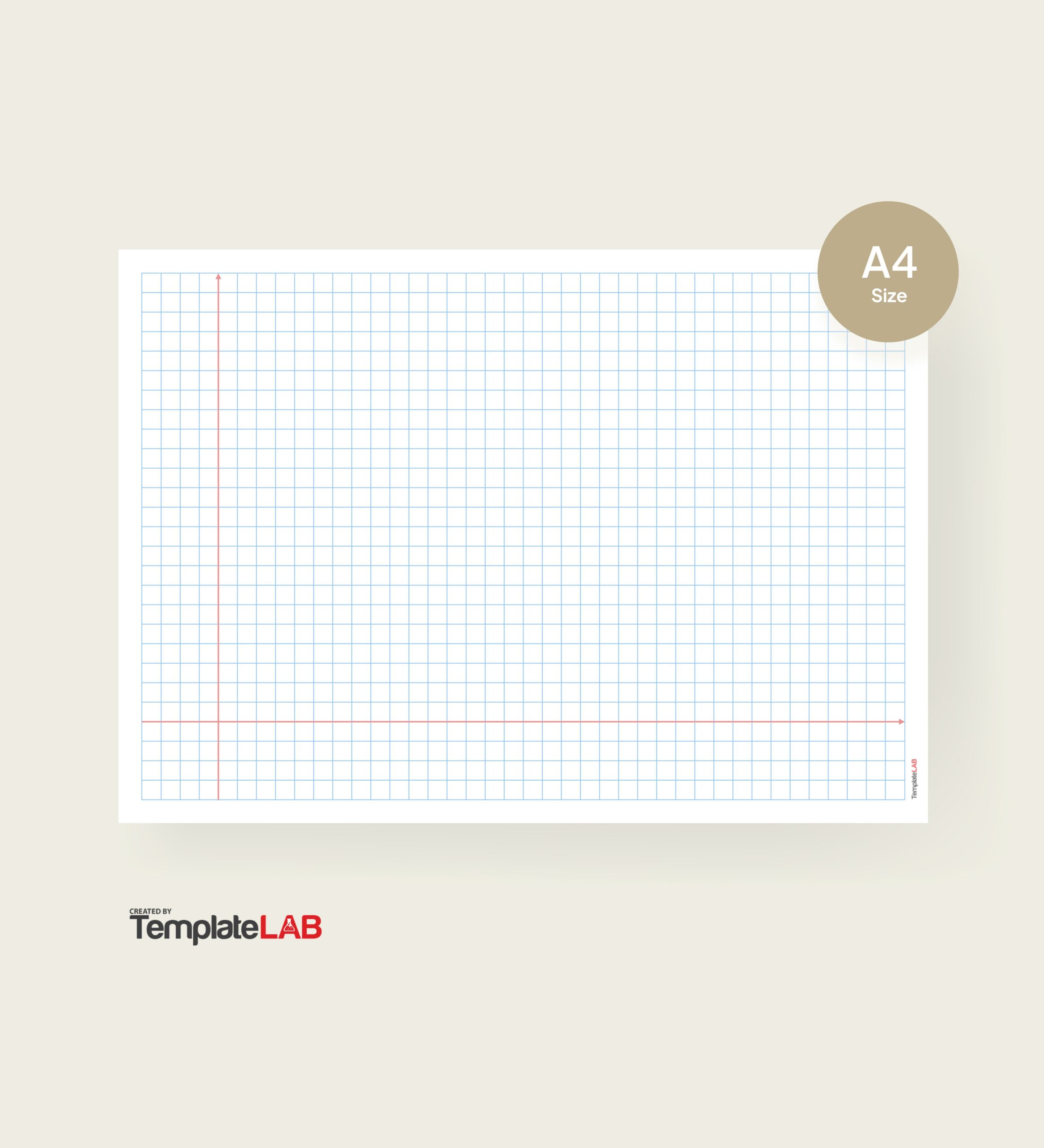
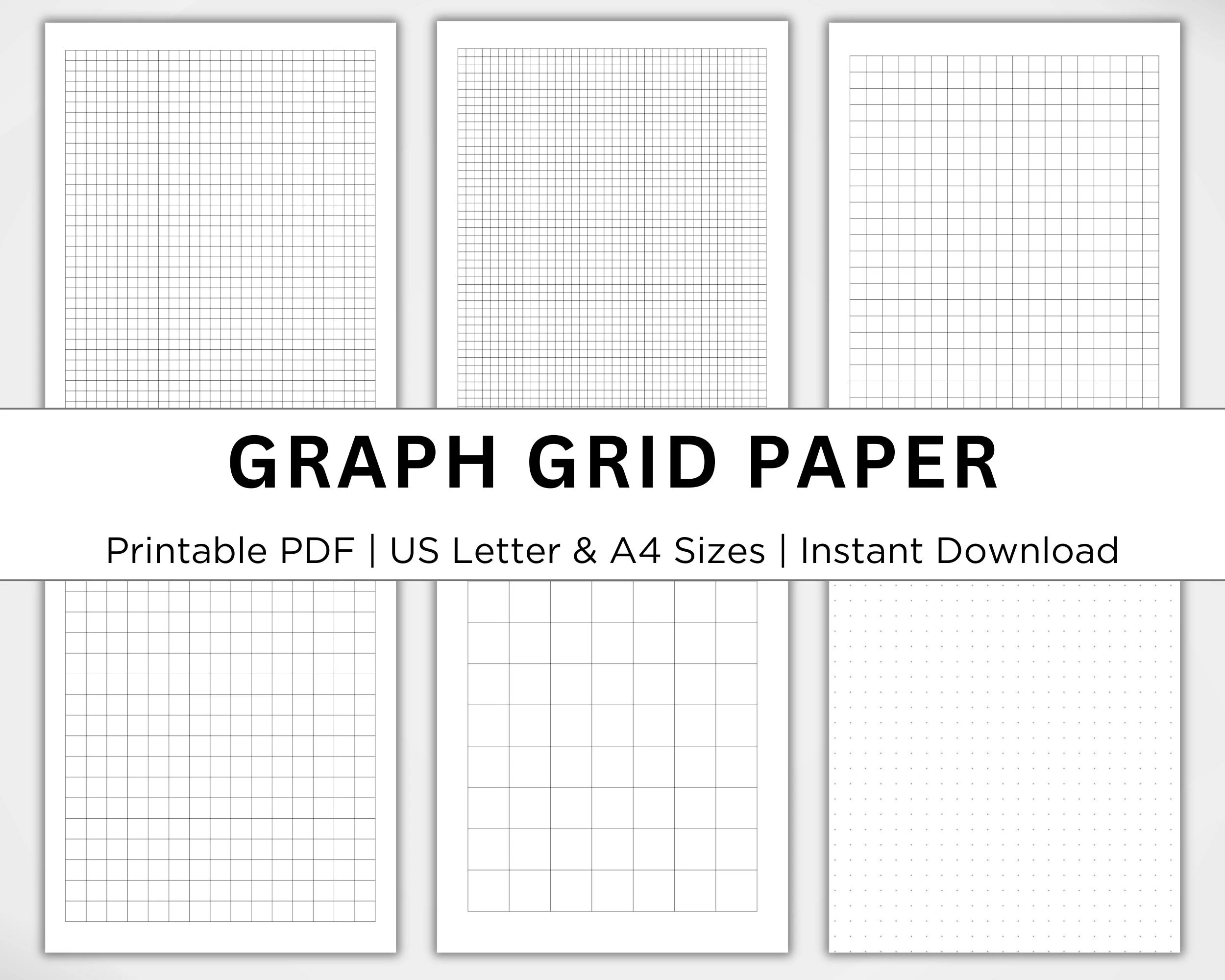
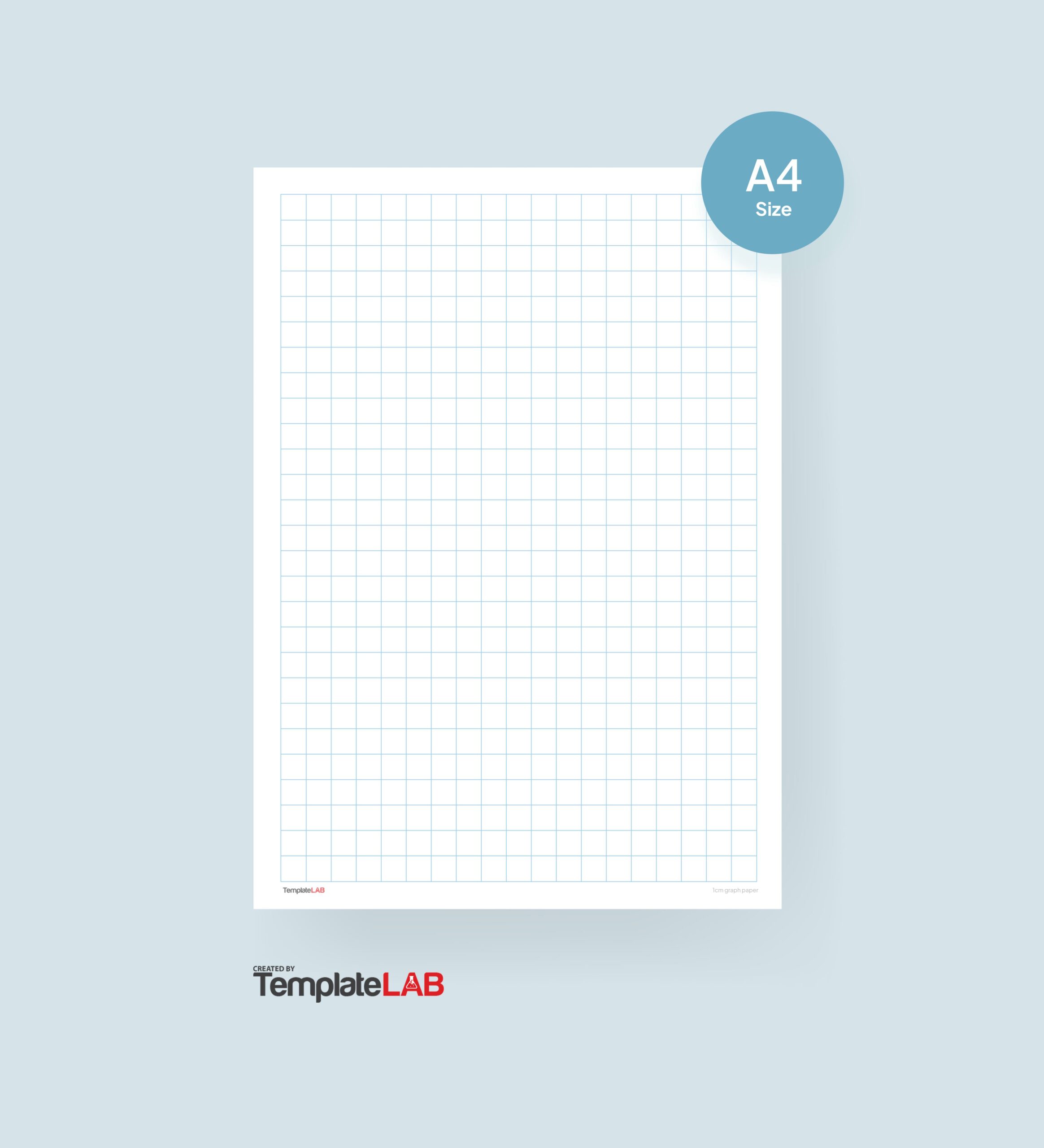
Graph paper is an essential tool in various fields such as education, engineering, and art. Its structured grid allows for precise plotting and drawing, making it invaluable for students, professionals, and hobbyists alike. The availability of printable graph paper enhances accessibility and convenience, enabling users to easily obtain sheets tailored to their specific needs.
Practical Uses of 1/2 Inch Graph Paper
1/2 inch graph paper serves multiple practical applications across different disciplines:
- Mathematics and Science: Students can plot graphs, visualize equations, and conduct experiments with accuracy.
- Architecture: Architects use it for designing layouts and blueprints, ensuring precise measurements and scale representations.
- Art: Artists benefit from the grid for sketching proportions and creating detailed illustrations.
For students, using graph paper for homework assignments or projects simplifies the process of drawing precise shapes and maintaining scale, ultimately enhancing their learning experience.
Benefits of Using Printable Graph Paper
The advantages of having printable graph paper are numerous:
- Cost-Effectiveness: Users can print only what they need, reducing waste and saving money.
- Customization Options: Printable templates allow for various sizes and colors to suit individual preferences.
- Convenience: Easily print multiple sheets as required without the need for purchasing physical pads.
- Environmental Benefits: Printing only necessary sheets minimizes paper waste.
High-quality printable graph paper templates can be found online on educational websites or design platforms. Additionally, software tools like Microsoft Excel or Google Sheets can assist users in creating personalized designs tailored to their specific needs.
Design Features to Consider
When selecting 1/2 inch graph paper, consider the following key design features:
- Grid Density: The density of the grid affects how detailed the drawings can be; a 1/2 inch grid is ideal for many applications.
- Line Weight: Thicker lines may provide better visibility for certain tasks, while finer lines may be preferred for detailed work.
Readers should assess their specific needs when choosing graph paper formats. For instance, crafting or DIY projects that require precise measurements will benefit from carefully selected grid features to ensure accuracy in execution.