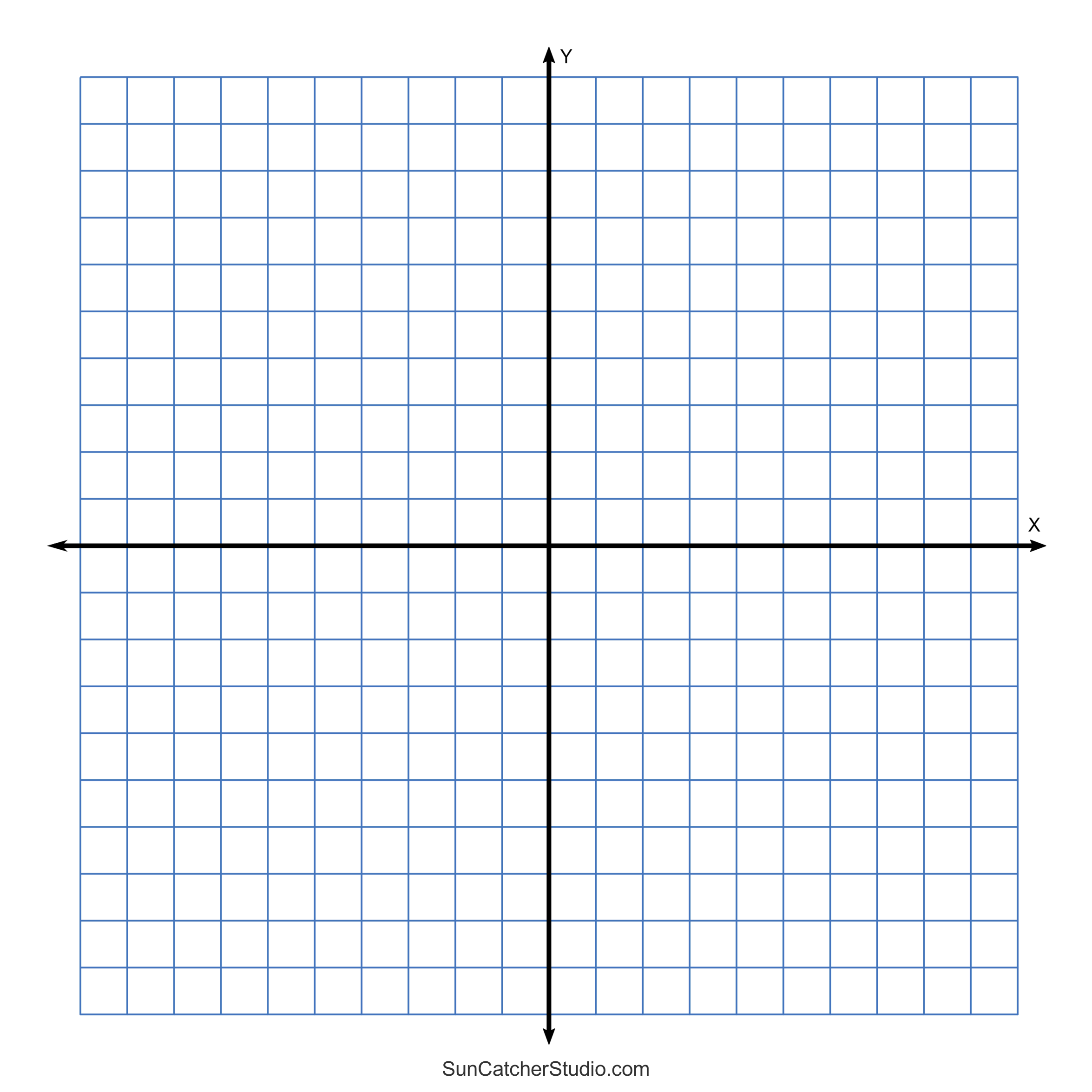
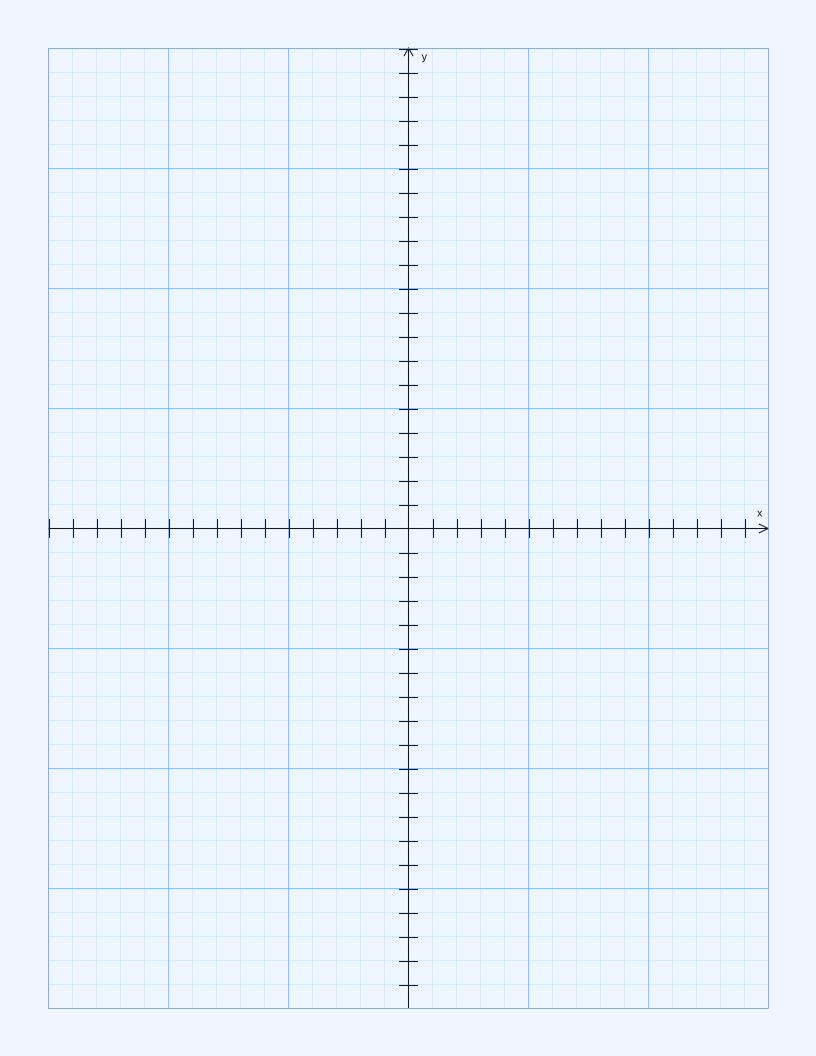
Graphing paper is an essential tool in mathematics, providing a structured way to visualize and solve problems. Its primary function is to assist in plotting points, lines, and curves on a Cartesian plane, which is fundamental for understanding various mathematical concepts. The Cartesian plane allows students and professionals alike to represent equations visually, making complex ideas more accessible and easier to comprehend.
Benefits of Using Graphing Paper
Utilizing printable graphing paper offers numerous advantages that enhance learning and problem-solving capabilities. Here are some key benefits:
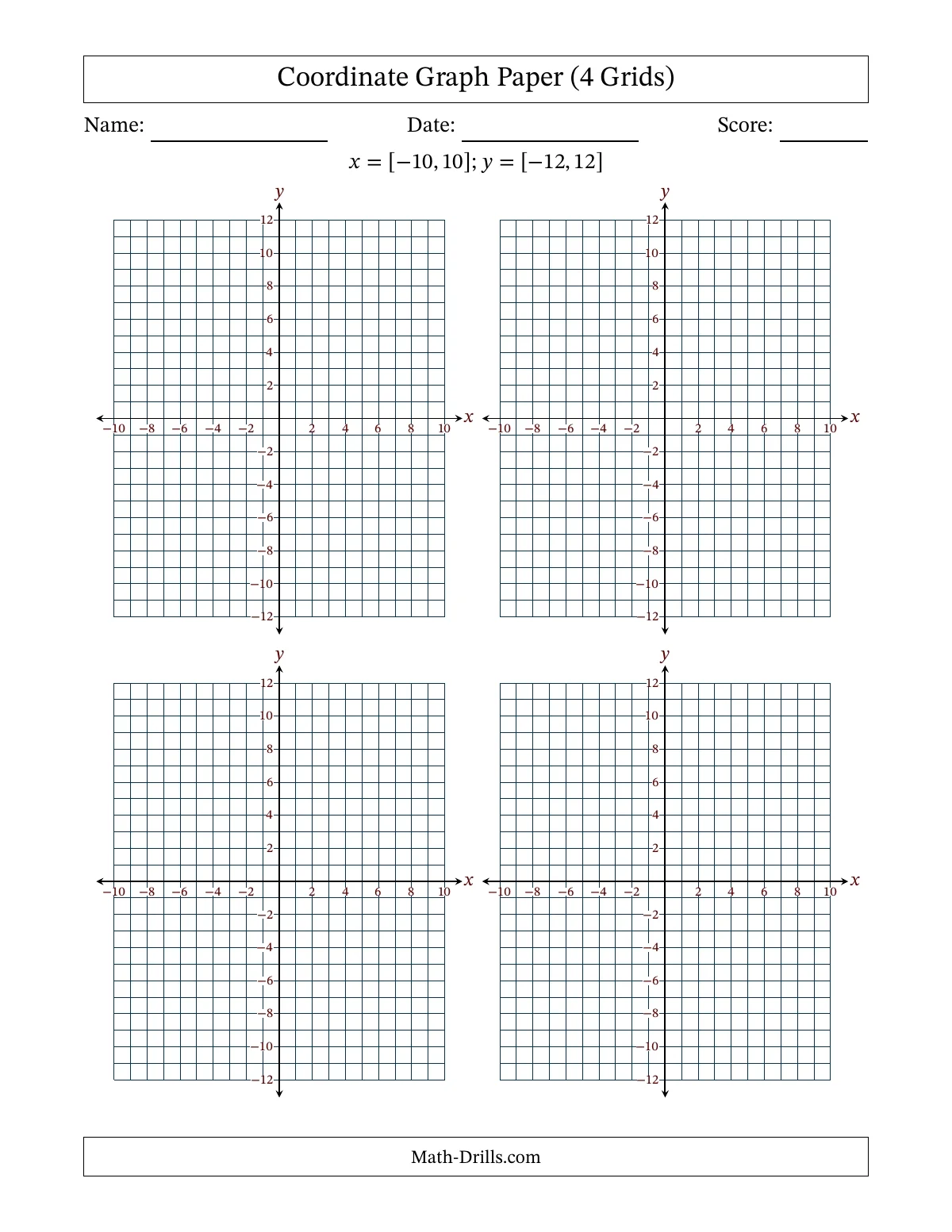
- Understanding Coordinate Systems: Graphing paper helps students grasp the concept of coordinates by allowing them to plot points accurately. This foundational skill is crucial for higher-level mathematics.
- Enhancing Problem-Solving Skills: By visualizing problems on graphing paper, students can break down complex equations into manageable parts, facilitating better understanding and solutions.
- Assisting in Plotting Equations: Graphing paper provides a clear framework for plotting linear equations, quadratic functions, and other mathematical relationships, making it easier to see trends and patterns.
For example, when learning about linear equations, students can plot the equation y = mx + b directly on graphing paper, allowing them to visualize the slope and y-intercept effectively. Similarly, in geometry, graphing paper aids in constructing shapes and understanding their properties through accurate representation.
Types of Graphing Paper Available
There are various styles of printable graphing paper designed to meet different mathematical needs. Here are some common types:
- Standard Grids: These feature evenly spaced squares that help with basic plotting and are ideal for introductory algebra and geometry.
- Polar Grids: Used for polar coordinates, this type of graphing paper helps visualize functions in polar form, which is essential in trigonometry.
- Logarithmic Graphs: This style is useful for plotting exponential functions and data that spans several orders of magnitude, making it ideal for advanced mathematics and science applications.
Each type of graphing paper serves a specific purpose, catering to various educational levels and mathematical disciplines. Choosing the right type can significantly enhance the learning experience.
Practical Tips for Using Graphing Paper Effectively
To maximize the benefits of graphing paper, consider the following practical tips:
- Select the Right Type: Depending on your assignment or project requirements, choose the appropriate style of graphing paper. For basic algebra, standard grids are sufficient; for more advanced topics, consider polar or logarithmic grids.
- Print in Various Sizes: Adjust the size of your graphing paper based on your needs. Larger grids can be helpful for detailed work or presentations, while smaller grids may be suitable for quick calculations or notes.
- Use a Sharp Pencil: When plotting points or drawing lines, use a sharp pencil to ensure clarity. This will help maintain accuracy in your graphs.
- Label Axes Clearly: Always label your axes with appropriate scales and titles to avoid confusion when interpreting your graphs.
By following these tips, students and educators can effectively utilize graphing paper to enhance their understanding of mathematical concepts. Whether for classroom use or personal study, printable graphing paper remains an invaluable resource in the world of mathematics.
The importance of graphing paper cannot be overstated; it serves as a bridge between abstract mathematical concepts and tangible understanding. With its various forms and practical applications, it continues to play a vital role in education and beyond.